
Non-Destructive vs Destructive Entry: A Locksmith Guide
Learn the difference between non-destructive entry and destructive entry, how a professional locksmith uses lock pick techniques and lock tools, and why lock picking is often the preferred method.
What Is Non-Destructive Entry?
Non-destructive entry is the preferred method used by a skilled locksmith to open a lock without damaging the lock, door, or surrounding hardware. Instead of forcing the mechanism, a locksmith uses specialist lock tools, lock pick sets, bump keys, tension tools, and other lock picking methods to gain entry cleanly.
For homeowners, businesses, and trade professionals, non-destructive entry is usually the best option because it preserves the existing lock and avoids the cost of replacement. A professional locksmith will normally attempt this method first before considering any destructive techniques.


Common Non-Destructive Locksmith Techniques
A professional locksmith may use several non-destructive techniques depending on the type of lock and the condition of the mechanism. These include lock picking, bypass methods, bump key entry, decoding, and key extraction. Each method is designed to open the lock while keeping the cylinder and hardware intact.
- Lock pick methods using picks and tension tools
- Bypass techniques for suitable locks
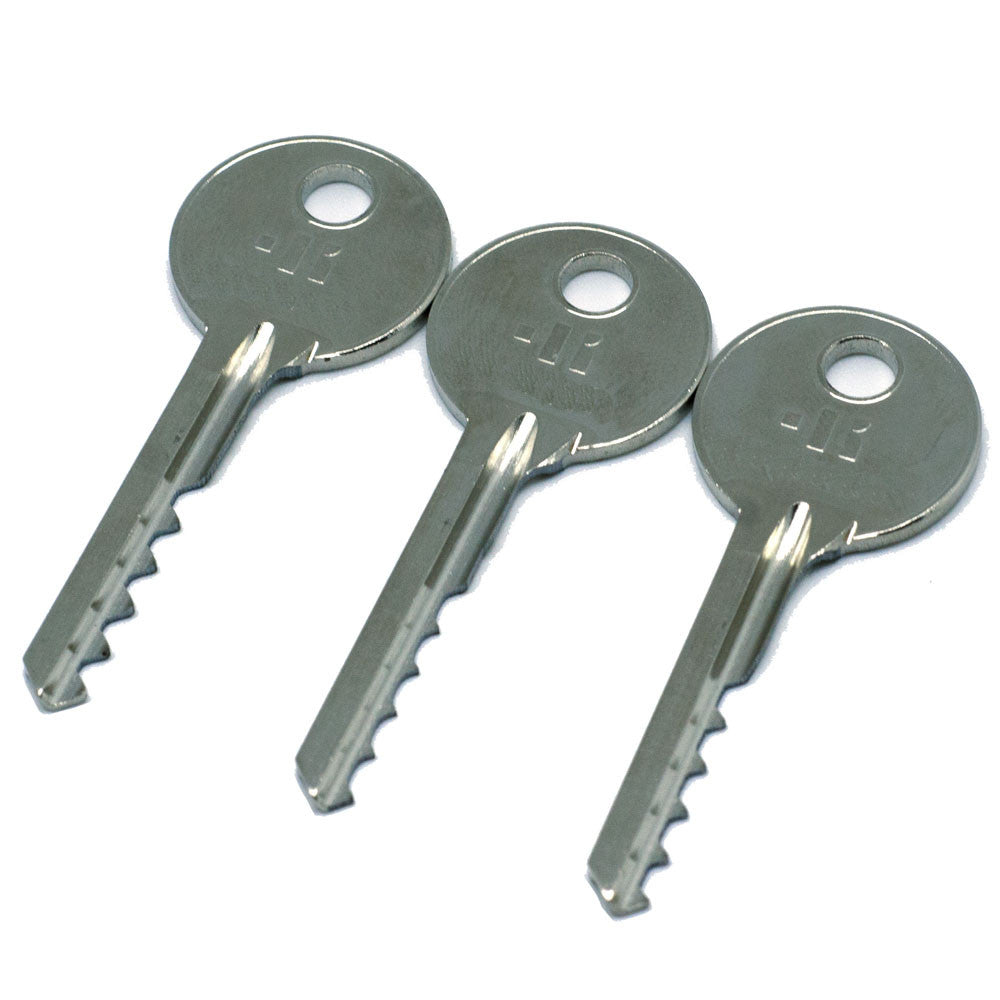
- Bump key entry where appropriate
- Decoding and impressioning
- Broken key extraction
These locksmith techniques require experience, precision, and the right lock tools. In many cases, successful lock picking allows the customer to continue using the same lock and key after entry has been gained.
What Is Destructive Entry?
Destructive entry is when a locksmith gains access by damaging or destroying part of the lock. This can include drilling the cylinder, snapping components, or otherwise forcing the lock open when non-destructive entry is not possible.
While destructive entry can sometimes be necessary, it is generally treated as a last resort. Once the lock has been drilled or broken, it will usually need to be replaced. That means higher cost, more time on site, and additional hardware.
View replacement lock tools, locksmith products, and accessories


Why Non-Destructive Entry Is Usually Better
In most situations, non-destructive entry is the better option because it protects the lock, saves money, and maintains the security of the property. A locksmith who is skilled in lock picking and the use of specialist lock tools can often open doors quickly without leaving damage behind.
- No unnecessary damage to the door or lock
- Lower overall cost because replacement is often avoided
- Faster entry when the right locksmith tools are used
- Existing keys and hardware may still be used
- Better result for customers who want a clean professional service
When Destructive Entry May Be Needed
There are situations where destructive entry is unavoidable. Some locks are severely damaged, seized, broken internally, or fitted with anti-pick features that make non-destructive opening impractical. In emergency conditions, a locksmith may also need to use faster forced methods if safety is the priority.
- Failed or damaged lock mechanisms
- Seized or corroded cylinders
- High-security locks with advanced anti-pick protection
- Emergency access situations
- Cases where the lock already needs replacing
Locksmith Tools Used for Entry
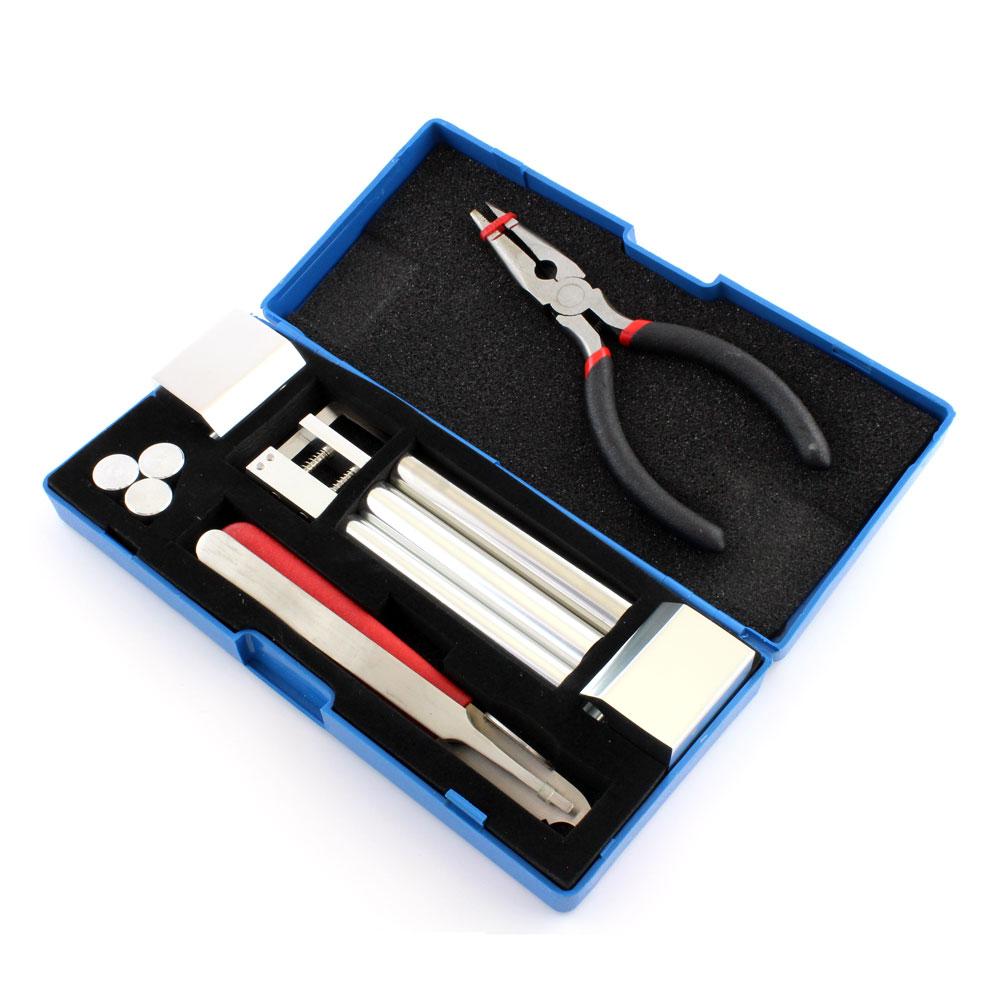
Professional locksmiths rely on a wide range of lock tools to carry out entry work efficiently. These tools are selected according to the lock type, the condition of the mechanism, and whether non-destructive methods are suitable.
- Lock pick sets
- Tension wrenches and tension tools
- Bump keys
- Bypass tools
- Key extractors
- Decoders and specialist locksmith tools
If you are looking for quality lock tools, lock pick products, and locksmith equipment, try some of the links below for the best selection of professional tools.

Choosing a Locksmith Who Prioritises Skill
Not every locksmith approaches entry in the same way. A skilled locksmith will normally try non-destructive methods first and only move to drilling or forced entry when absolutely necessary. This is one of the clearest signs of professional ability.
Customers should look for a locksmith who understands lock picking, uses professional lock tools, explains the available options clearly, and avoids unnecessary damage. Knowledge, precision, and the right tools make a major difference.
Lock Picking and Non-Destructive Entry
Lock picking remains one of the most well-known non-destructive locksmith techniques. By applying controlled tension and manipulating the internal components of the lock, a locksmith can often open the mechanism without visible damage. This is why lock picking is such an important skill in the locksmith trade.
For enthusiasts, trainees, and professionals alike, high-quality lock pick tools and practice equipment are essential. Whether you are looking for lock picking sets, bump keys, training locks, or specialist locksmith tools, links on this page can help guide you our visitors to the right products.
Summary
Non-destructive entry is the gold standard for professional locksmith work. It focuses on opening a lock using skill, lock pick techniques, and specialist lock tools rather than damage and force. Destructive entry still has its place, but it should only be used when non-destructive methods are no longer practical.
If you want to protect your lock, reduce costs, and maintain security, always choose methods and products that support clean professional entry.